

Hardware
Your evcc instance needs a small computer that runs around the clock and reaches your devices over the home network. You can set up a dedicated mini computer, use hardware you already own or buy commercial hardware.
Dedicated Mini Computer
Section titled “Dedicated Mini Computer”A dedicated mini computer has only one job, which makes it the most reliable option. We provide ready-to-use SD card images for the Raspberry Pi and several NanoPi boards. You flash the image to an SD card, connect network and power and open the web UI in your browser. The image installs security updates on its own and comes with a web UI for system management.
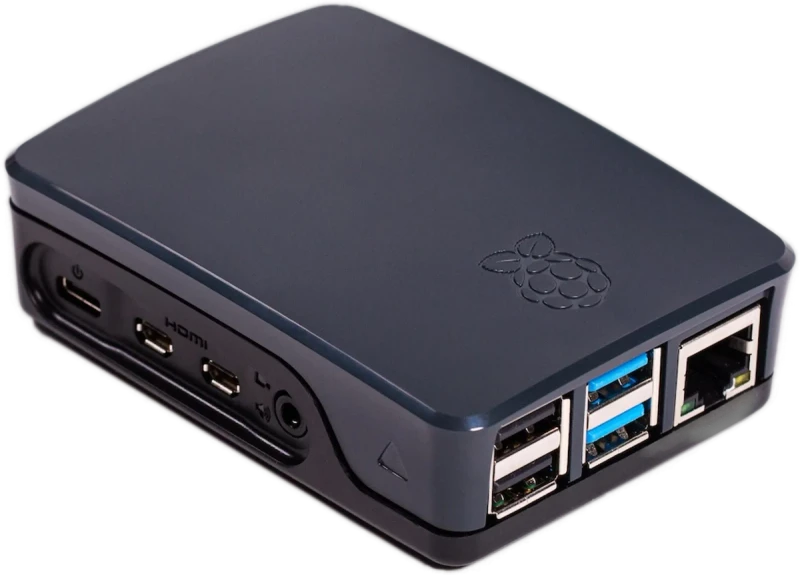
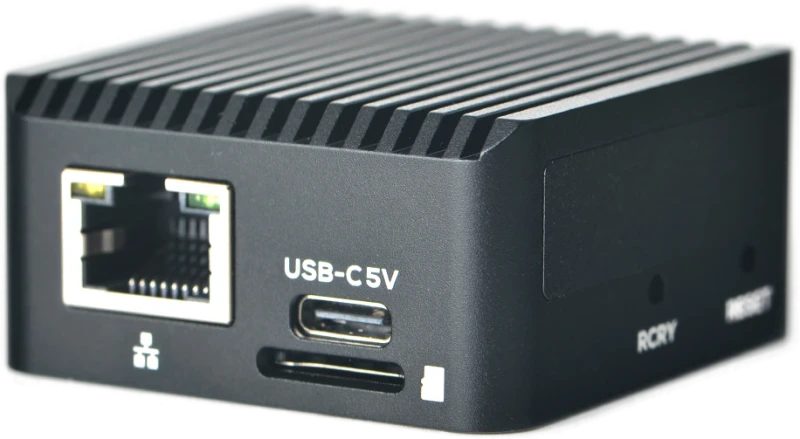
Both are set up the same way, and the installation guide has the steps. Very little computing power is needed, so there is no reason to buy the fastest board. See the full list for details and benchmarks.
When you buy a board, look at these points:
Use Existing Hardware
Section titled “Use Existing Hardware”There is no need to buy something new if a device already runs around the clock in your home network. On a NAS evcc runs with Docker, on Home Assistant as an app, on Proxmox as an LXC container and on a Linux server or mini PC as a package. An old PC or laptop is fine for trying things out, but its power consumption speaks against it in the long run.
Commercial evcc Hardware
Section titled “Commercial evcc Hardware”Several vendors sell devices on which evcc is preinstalled. Most of them are made for the meter cabinet and bring interfaces that a Raspberry Pi lacks, e.g. RS485 or inputs for the grid operator’s control box. Many add their own software on top, such as remote access or further apps.
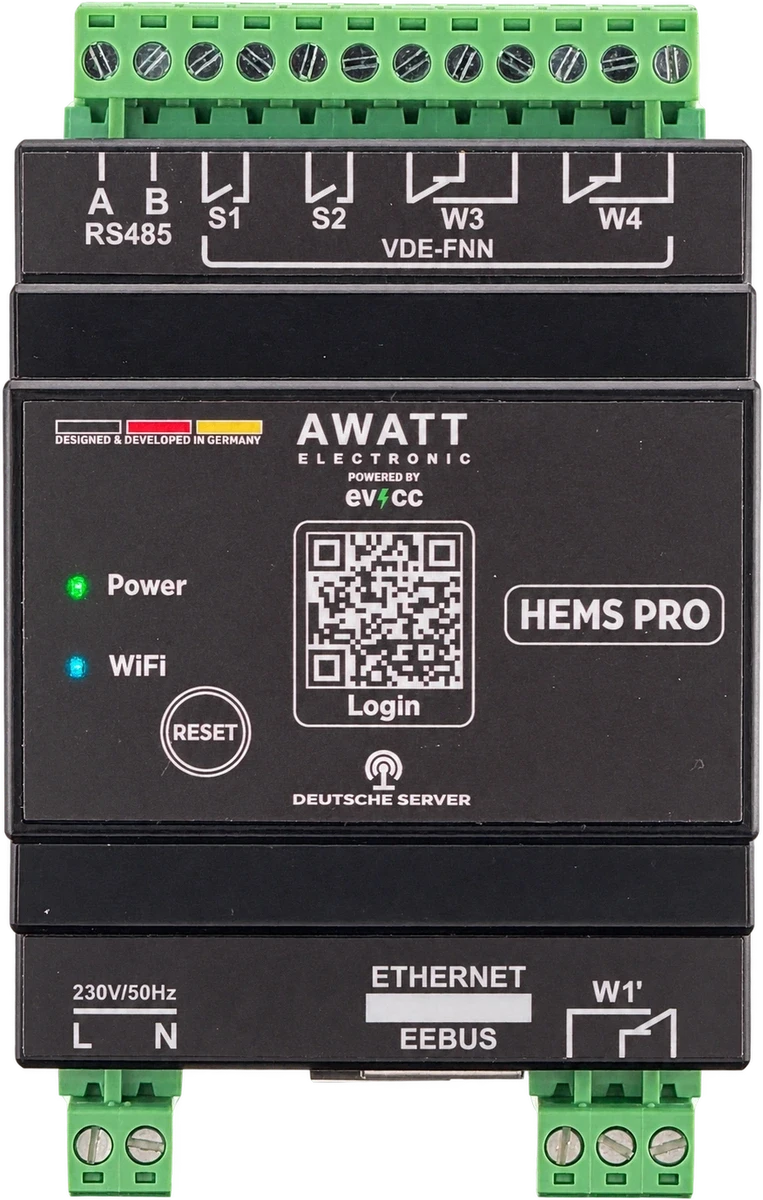
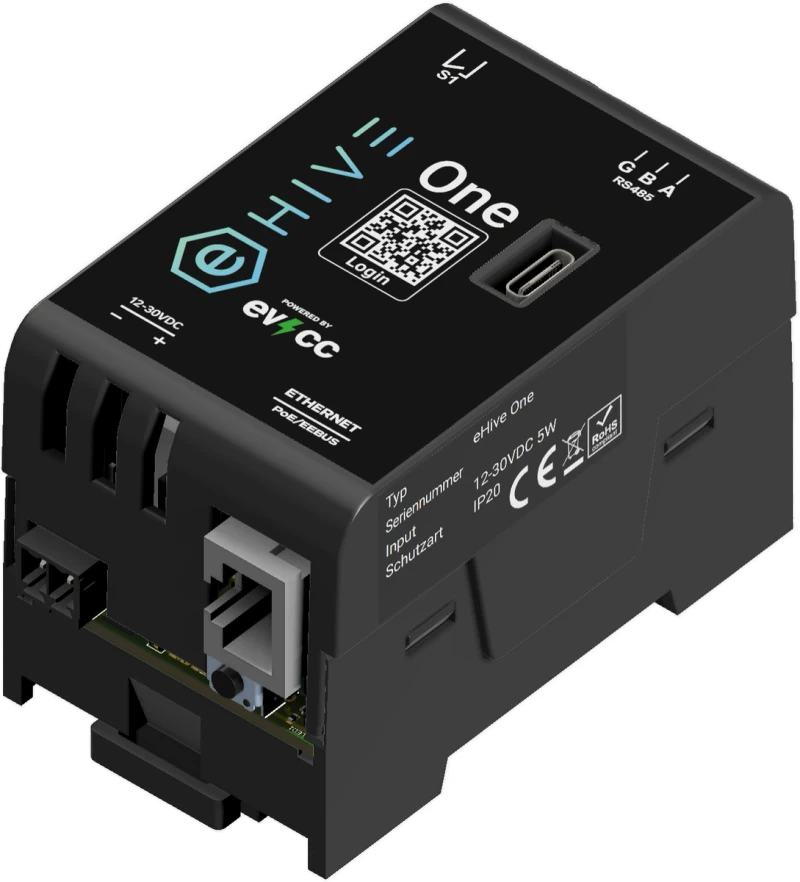
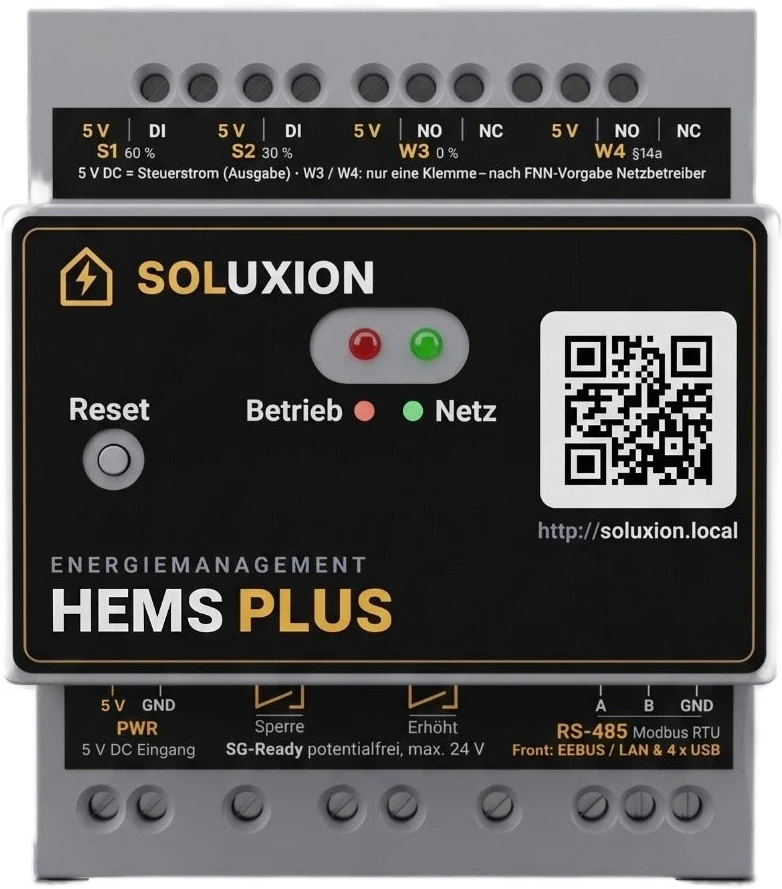
These are third-party products, and all of them are legitimate offerings. We do not build them and do not test them continuously, and the vendor is your contact for support and warranty. The devices are listed in alphabetical order, which says nothing about their quality.